

Artiklar

Glycaemic Targets and Vascular Complications in Type 2 Diabetes: What Are the Thresholds?
Summary of Zoungas S, et al. Diabetologia. 2012;55:636–643.
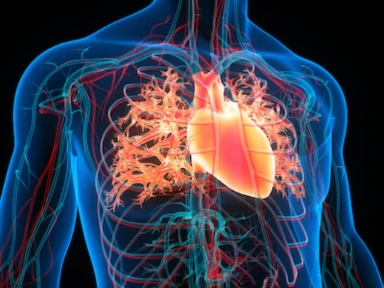

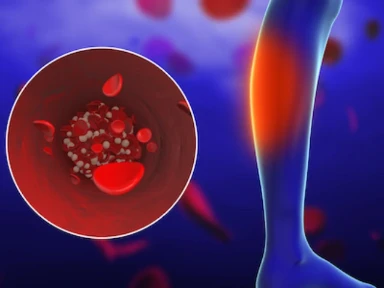


What is PRALUENT®(alirocumab)?
PRALUENT®: a PCSK9i that ticks all the boxes1–4
PRALUENT is a PCSK9i that reduces the levels of LDL-C in the blood.2 It is a fully human IgG1 monoclonal antibody that works by inhibiting the binding of PCSK9 to LDL- receptors. As a result, PRALUENT increases the number of LDL-receptors available to clear LDL, thereby lowering LDL-C levels.2 Elevated LDL-C levels have been significantly associated with cardiovascular disease such as heart attacks and strokes.1

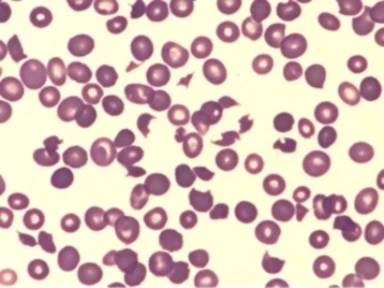
What is TTP? A rare, life-threatening medical emergency
Early diagnosis and treatment of Thrombotic thrombocytopenic purpura (TTP) can help prevent the high risk of early deaths.

When to suspect TTP?
TTP is rare and presents similarly to other thrombotic microangiopathies (TMAs), making it difficult to diagnose.

How Does Glycaemic Control Impact Complications in Type 2 Diabetes?
Summary of The UK Prospective Diabetes Study (UKPDS).

Why is Glycaemic Control in Type 2 Diabetes Still a Challenge?
Summary of Aschner P, et al. Diabetologia. 2020;63(4):711-721.

Is Glycemic Control the Key to Preventing Long-term Complications in Type 2 Diabetes?
(Based on the study: Stratton IM, et al. BMJ. 2000;321(7258):405-12).
SE-FILMEN-HÄR
